Recovery tools have become a real category in 2026. Ten years ago, foam rollers were about it. Today there is a whole ecosystem of massage guns, compression boots, red light panels, and sauna blankets available for home use — a lot of it under $200. This is a practical guide to what actually delivers on the promises at reasonable prices.
The 30-Second Answer
If you can only buy one recovery tool under $200, get a quality percussive massage gun. It is the highest-utility, most-used device in the category. Second most useful: an infrared sauna blanket. Third: compression boots (if you specifically have lower-leg issues).
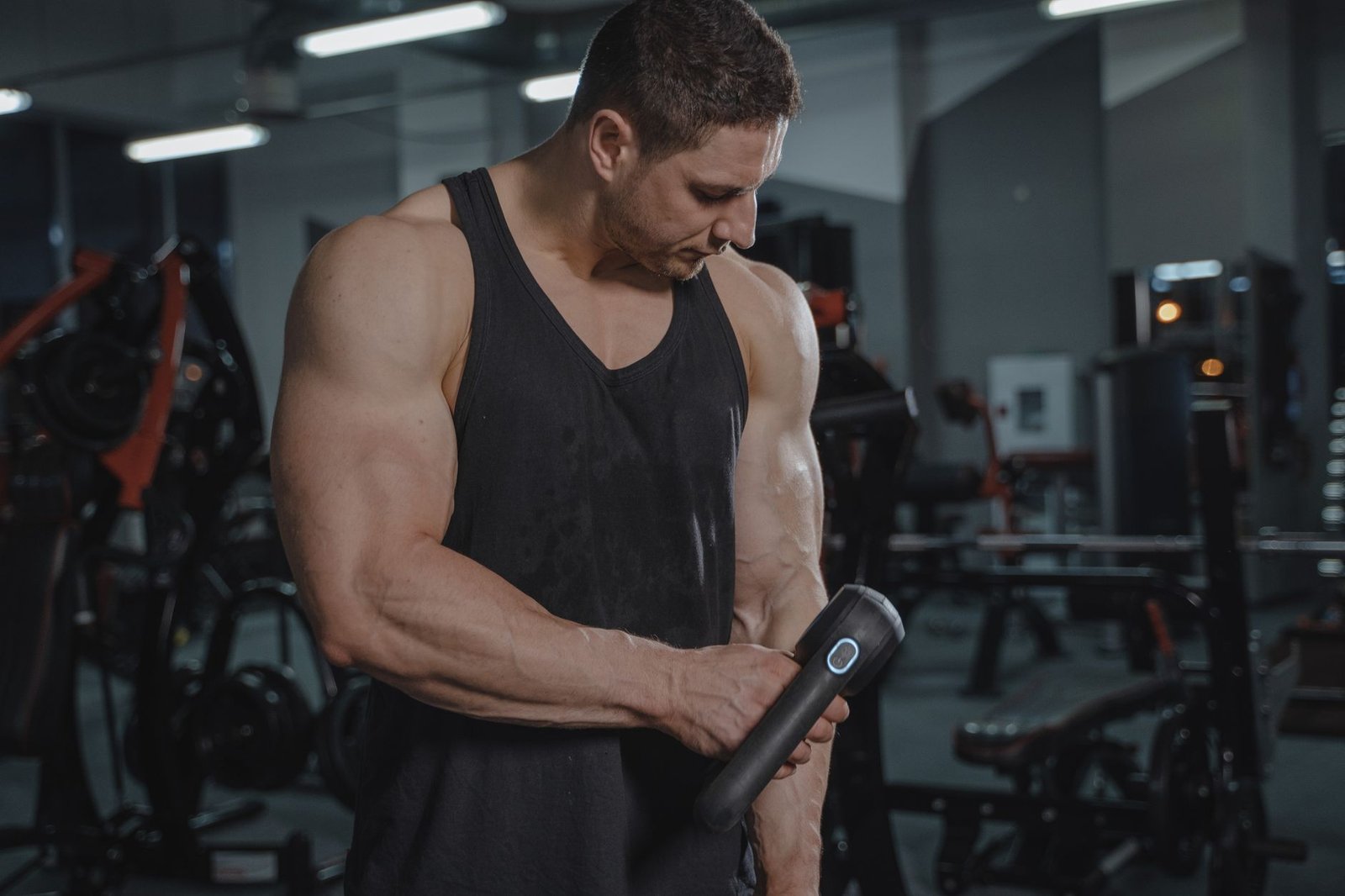
1. Percussive Massage Gun ($100–$180)
Massage guns deliver percussive therapy — short rapid strokes into the muscle tissue at 20–40 percussions per second. Research shows they reduce delayed-onset muscle soreness (DOMS), increase local blood flow, and improve short-term range of motion. Practical benefit: most users report meaningful reduction in muscle tightness after 5–10 minutes of use.
Best under $200: Look for stall force above 40 lbs (weaker guns bounce off tight muscle), battery life above 3 hours, and a rotating head that reaches your own back. Hyperice Hypervolt Go 2, Ekrin B37, and Bob and Brad C2 all deliver at this price point.
Search percussive massage guns on Amazon →
2. Infrared Sauna Blanket ($150–$200)
A folding infrared sauna blanket produces most of the benefits of a full-sized infrared cabin — heart rate elevation, sweating, cardiovascular adaptation — at a fraction of the price and without the installation. Roll it out on your bed or a mat, zip yourself in, and use for 30–40 minutes.
Best under $200: Look for max temperature of 175°F+, waterproof interior for easy cleaning, and a timer/auto-shutoff. Higher-end brands (HigherDOSE, Sunlighten) push above $500; the sub-$200 options from LifePro, Serenilite, or Karrong deliver 90% of the benefits at a fraction of the cost.
Search infrared sauna blankets on Amazon →
3. Compression Boots (Legs) ($150–$200)
Pneumatic compression boots inflate and deflate in waves from ankle up, mimicking manual massage and helping lymphatic drainage. Runners and cyclists swear by them. Anyone with heavy or fatigued legs after standing all day gets similar relief.
Best under $200: This category is still relatively expensive — Normatec and Air Relax dominate at $600–$1000+. The Renpho Aeria and Fit King compression boots have made a real dent in the price ceiling with sub-$200 units that work well for most home users. Not quite Normatec-quality but 80% of the benefit at a third the price.
Search compression boots on Amazon →
4. Foam Roller and Trigger Point Ball Set ($30–$60)
The unsexy classic. Still one of the most effective and cheapest recovery tools available. A high-density foam roller plus a lacrosse ball or trigger point ball handles 80% of what a $300 massage gun does — you just have to work for it.
Best under $60: TriggerPoint GRID or LuxFit high-density roller, plus a Yes4All lacrosse ball. Total investment: under $50. This is the “your excuse-free option” tier.
Search foam roller sets on Amazon →
5. Red Light Therapy Panel (Small) ($100–$200)
Red light and near-infrared therapy has moved from fringe to mainstream over the last five years. The research supports use for skin healing, joint pain, and inflammation reduction. Full-body panels run $500–$2000, but small hand-held or face-sized units in the sub-$200 range deliver meaningful benefit for localized use.
Best under $200: Look for wavelength combinations that include 630–660 nm (red) and 830–850 nm (near-infrared). Mito Red, Hooga, and Bestqool all make solid small panels at this price.
Search red light therapy panels on Amazon →
6. TENS Unit / Muscle Stimulator ($40–$100)
Transcutaneous Electrical Nerve Stimulation (TENS) delivers small electrical pulses through skin electrodes to reduce pain signals and stimulate muscle contraction. Particularly useful for chronic lower-back pain, joint discomfort, and muscle re-education after injury. Small, portable, and cheap.
Best under $100: Compex, iReliev, and Omron all make well-tested units in this range. Look for one with rechargeable battery, at least 4 channels, and preset programs.
7. Ice Bath Barrel / Portable Cold Plunge ($100–$180)
The full-sized dedicated cold plunges start at $2,500. But an inflatable or pop-up ice bath — where you add cold water and ice yourself — runs $100–$180 and delivers most of the same benefits for someone willing to do the work of chilling water manually.
Best under $180: The Ice Barrel Original is around $150 and folds into a small pack. Various inflatable options from Nurecover, Susyle, and Fovke deliver comparable functionality at similar prices.
Search portable ice baths on Amazon →
How to Build a Complete Recovery Kit for Under $500
Tier 1 (most bang for buck, ~$300): Massage gun ($150) + infrared sauna blanket ($150). Handles muscle recovery and cardiovascular adaptation. This is what 90% of recreational athletes actually need.
Tier 2 (add if you have specific issues, ~$500 total): Add compression boots ($180) if you have lower-leg problems, or a TENS unit ($60) if you have chronic back or joint pain.
Tier 3 (add over time, no rush): Red light panel and portable cold plunge round out a full home recovery setup. Add over 6–12 months as your routine solidifies.
The Ones to Skip
- Vibration platforms. Weak evidence base. The research does not support the promised benefits at the intensities available in consumer units under $500.
- Percussive foot massagers. Nice to have if someone gifts you one. Do not spend your own $150 on this before other tools on the list.
- “Grounding” mats. The scientific evidence is thin at best. Save your money.
Recovery is about consistency, not gadget count. Pick one tool. Use it daily for a month. Then decide whether to add another.
Affiliate disclosure: As an Amazon Associate, Hot Cold Recovery earns from qualifying purchases at no extra cost to you. This article is educational and not medical advice.


Leave a Reply