Buying a home infrared sauna is only half the decision. The other half is the install – which room, what electrical, what flooring, what ceiling clearance, what delivery day looks like. This is the part most buying guides skip, and it’s the part that determines whether you actually use your sauna daily or leave it half-built in the garage.
This guide walks through the install decisions you need to make BEFORE clicking “buy” on any infrared sauna.
Curated Home Sauna Kit on Amazon
All our top home-sauna picks – blanket, cabin, thermometer, and post-round essentials – collected in a single Amazon Idea List. Under $2,000 total for the whole starter kit.
Room selection: what actually works
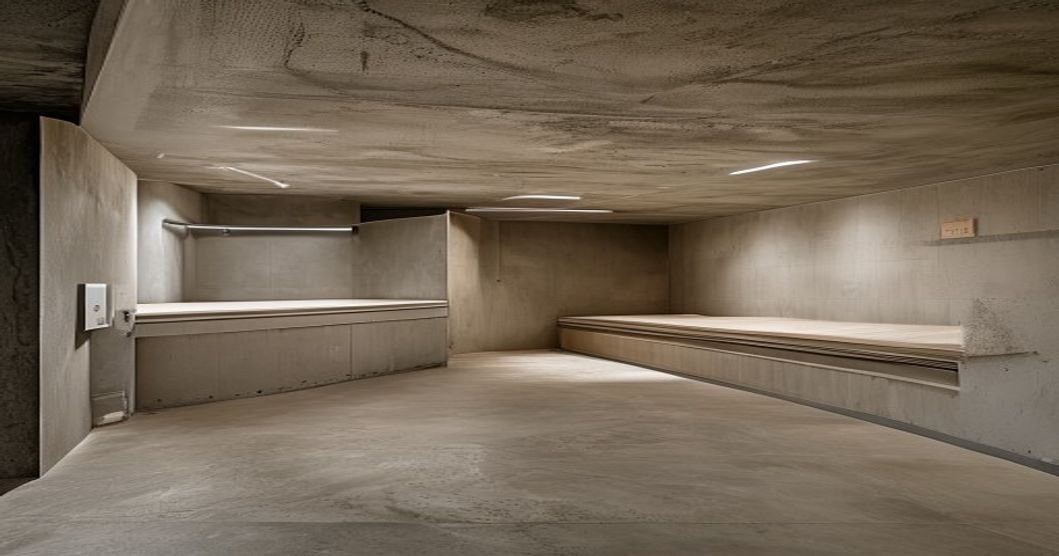
Basement (best default)
Cool ambient temp, quiet, easy to add a dedicated circuit if needed, minimal aesthetic conflict with the rest of the house. If you have a finished or semi-finished basement, this is where 60% of home saunas end up.
Spare bedroom (great if the room is truly unused)
Warmer ambient means the sauna feels less “cool down” between uses. Good aesthetic option. Risk: if you ever need the room back, the sauna is a major disassembly project.
Garage (fine if insulated + heated)
Great space-wise. Terrible for winter use in Canada / northern US unless the garage is insulated and heated. Sauna will cost more to run because it starts from a cold ambient.
Home gym (natural fit)
Post-workout sauna is the most-used use case. Locating it in your gym reduces friction. Ceiling height and floor material matter more here (vinyl gym flooring works; foam tiles do not).
Bathroom (only if oversized)
Master bathroom sauna corners are a growing luxury trend. Requires the bathroom to already be very large (200+ sq ft) and ideally have a dedicated 20-amp circuit nearby.
Outdoors (special case)
Outdoor infrared saunas require weatherproof units, deck or concrete pad, and dedicated 20-amp exterior circuit. Costs more but delivers a resort-like experience. Not for most first-time buyers.
Electrical: the make-or-break decision
- 1-person units: almost always 120V standard household outlet, 15-amp circuit. Any outlet works. This is why 1-person is the most-recommended for first-time buyers.
- 2-person units: most run on 120V but need their own 15-amp circuit (not shared with other appliances). Verify the panel has capacity.
- 3-person+ units: almost always require a dedicated 20-amp circuit. Some require 240V. This is a $500-$1,500 electrician job before install.
- Full-spectrum units: higher power draw than standard far-infrared. May bump the circuit requirement up a tier.
Before buying: check the panel or ask an electrician about circuit availability. If you need to add a dedicated 240V line, factor that $800-$1,500 into your total budget.
Ceiling clearance
- 1-person units: 6’0″ to 6’6″ tall. Fits under any standard 8-foot ceiling.
- 2-person units: 6’4″ to 6’8″. Still fits under 8-foot ceilings but tight in basements with ductwork.
- 3-person units: 6’8″ to 7’2″. Verify basement ductwork clearance before ordering.
Flooring
Concrete or tile is ideal. Hardwood is fine but adds a wood-on-wood moisture consideration. Carpet is bad – the sauna base traps moisture underneath.
If your target room has carpet, consider an under-sauna mat (heavy vinyl or rubber sheet) rated for the sauna weight. Do not skip this.
Recommended install accessories
Sauna Floor Mat (Under-Sauna Protection)
Heavy-duty vinyl or rubber mat that goes under the sauna cabin to protect the floor from moisture, insulate from cold concrete, and reduce sound transmission. Under $100, non-negotiable if your floor is anything but tile or concrete.
20-Amp Extension Cord (Emergency Setup Only)
If your electrician install is delayed but you want to test the sauna, a heavy-gauge 20-amp extension cord can work TEMPORARILY. NOT a permanent solution. Never leave a sauna running on an extension cord unattended.
Sauna Cleaning Kit (Cedar and Hemlock Wood)
Wood-safe cleaner formulated for cedar and hemlock sauna interiors. Bleach and standard household cleaners damage sauna wood. Budget -50 for a starter cleaning kit that lasts a year.
Sauna Backrest Cushion
The most-requested comfort upgrade after the first month of daily use. Wood backrest cushions or cedar backrests reduce lower-back strain during long sessions. Under and dramatically improves the experience.
Waterproof Bluetooth Speaker (For Music)
Most saunas have built-in speakers that sound tinny. A small waterproof Bluetooth speaker inside the sauna transforms the experience. IP67-rated (waterproof + dustproof) is what you want.
Sauna Chromotherapy Light (Retrofit Option)
If your sauna doesn’t include chromotherapy (color-changing LED light therapy), you can add a small retrofit unit for under . Sits in a corner, changes color, adds meaningful mood/relaxation improvement.
Delivery day: what actually happens
Most infrared saunas ship in 3-6 large boxes on a shrink-wrapped pallet. Freight companies deliver curbside – they will NOT bring the pallet into your basement. You need:
- A friend or family member to help. Solo delivery is genuinely dangerous with 200-400 pounds of wood on a pallet.
- A dolly or hand truck. Boxes are heavy (60-120 lbs each).
- 90 minutes for assembly. Some brands claim “no tools required” but every real assembly needs a Phillips screwdriver and a socket wrench.
- A helper for the final wall panels. Sauna walls slot into base rails – two people make this trivial, one person struggles.
Plan the delivery day. Take a half-day off if you can. Do NOT let the pallet sit outside overnight in winter.
The honest bottom line
Room selection, electrical, and flooring are the three variables that determine whether your sauna install is a one-day project or a two-week ordeal. Verify all three before you order the sauna.
Budget -500 for accessories on top of the sauna itself. The mat, cleaner, and backrest are worth the money and make the difference between “use it daily” and “use it once a week.”
If you need a dedicated electrical circuit, get the electrician scheduled BEFORE the sauna delivers. Coordinating both is the single biggest install headache.
Shop the Amazon Storefront
Every product we recommend for your home recovery setup – saunas, cold plunges, red light, and more – curated in one Amazon Storefront.
Try Audible free for 30 days – great for meditation, sleep, and recovery-focused audiobooks
As an Amazon Associate and Amazon Influencer, we earn from qualifying purchases at no extra cost to you.
Leave a Reply