Disclosure: As an Amazon Associate, HotColdRecovery earns from qualifying purchases at no extra cost to you. This site is research/synthesis-based, not hands-on tested.
Alternating hot and cold – a sauna round followed by a cold plunge or cold shower, often called contrast therapy – is a long-standing bathing tradition. Finnish sauna culture has paired heat with a cold dip or a roll in the snow for generations, and similar hot-cold bathing traditions exist in many countries. This guide covers what a typical home session looks like, how people set one up, and the safety basics that matter most. It describes common practice, not a treatment, and makes no promises about recovery or any other health outcome.
The basic protocol
There is no single official protocol, and safe times and temperatures depend on your health, your experience and your equipment. Talk to your doctor before you start, and follow the time and temperature limits in your sauna’s and cold plunge’s manuals. A home session commonly follows this shape:
- A sauna round. Stay only as long as you feel comfortable and within the manufacturer’s recommended limits. Get out right away if you feel dizzy, nauseous or unwell.
- A short cold exposure. Beginners often start with a cool shower rather than a full plunge and keep any immersion brief. Enter slowly, keep your head above water, and get out if you cannot control your breathing.
- A rest period at room temperature. Sit down, drink water, and let your breathing and heart rate settle.
- Optionally repeat. Many people do one to three rounds. There is no need to do more than feels comfortable, and stopping after one round is fine.
Some people like to finish warm because they find it relaxing; others finish cold because they like the brisk feeling. Neither is required. If you have any heart or blood-pressure concerns, ask your doctor how, or whether, to finish.
Why people alternate hot and cold
Mostly, people enjoy the contrast: the warmth of the sauna makes a cold dip feel more manageable, and the cold makes going back into the heat feel welcome. Heat and cold exposure have been studied separately and together, but findings are mixed and still developing, and this article does not claim that alternating them improves circulation, inflammation or recovery. Treat it as a wellness routine you may enjoy, not a treatment, and talk to a doctor if you are hoping it will help with a specific health issue.
Practical rules
- Talk to your doctor before you start if you have a heart condition, high or low blood pressure, circulation problems, a history of blood clots or fainting, are pregnant, or take medications. Moving quickly between strong heat and cold puts real stress on the heart and blood vessels.
- Never cold plunge alone. Have someone nearby who can help: cold-water shock can cause gasping, rapid breathing and panic, and standing up quickly after a hot sauna can make you lightheaded or faint.
- Drink water before and after, and during rest periods. Sauna heat makes you sweat, and dehydration can contribute to dizziness.
- Do not drink alcohol before or during a session. It raises the risk of dehydration, fainting and poor judgment in heat and cold.
- Avoid sessions right after a heavy meal.
- Cold plunge is not the same as an ice bath. The water should be uncomfortable, not agonizing. If you cannot control your breathing, get out.
Setups from cheapest to premium
Entry level: A portable infrared sauna blanket plus a cold shower or a simple non-electric tub with bagged ice.
Mid-range: A portable indoor infrared sauna cabin plus an insulated barrel-style plunge tub without a chiller.
Premium: A backyard barrel sauna plus a chiller-equipped cold plunge.
Any setup that puts electrical equipment near water needs a GFCI-protected circuit, and hardwired saunas and chillers should be installed by a licensed electrician following the manufacturer’s instructions. Keep cords, plugs and controllers away from water. Home-converted chest freezers are not designed for people to sit in and combine mains power with water, so we do not suggest them.
If you are new, many people find it easier to get used to the sauna first and add cold exposure gradually, once your doctor has said it is fine for you.
Recommended Picks (Amazon US)
- INFRADELUX Premium 4 Person Cedar Barrel Sauna for Outdoor Backyard – cedar barrel cabin with a waterproof asphalt shingle roof and a Harvia 6KW heater, seating up to four. Check the listing and manual for its power requirements and have a licensed electrician handle the hookup.
- Ice Barrel 300 Insulated Cold Plunge Tub (Budget Pick) – rigid, fully insulated recycled-LLDPE tub with built-in chiller ports and a drain for water changes roughly every four weeks.
- HigherDOSE Infrared Sauna Blanket, Low EMF (Portable Alternative) – low-EMF infrared blanket with nine temperature levels, a handheld controller, and an industrial-grade zipper. Follow the manual’s time and temperature limits, and never fall asleep in it.
- TempPro TempSync 500FT Wireless Meat Thermometer, 2 Probes (for Water Temp Monitoring) – dual stainless-steel probes, 500ft wireless range, backlit display, high/low temperature alarm, and a countdown/count-up timer. It is sold as a grilling thermometer, so check its manual on whether the probes can be submerged, and keep the display unit dry.

- Outdoor Barrel Sauna for Home Backyard Spa:Transform your outdoor space into a luxury wellness retreat with this Outdoor Sauna Bar…
- Authentic Traditional Sauna Experience with Harvia Heater:Powered by a premium Harvia 6KW sauna heater, this Outdoor Sauna deliver…
- Space-Efficient Barrel Structure Design:The efficient barrel sauna shape improves heat circulation and reduces warm-up time while …

- YEAR-ROUND COLD THERAPY ROUTINE – Bring the cold plunge ritual home with a tub built for daily ice bath recovery, post-workout coo…
- THE GO-TO ICE BATH TUB FOR ATHLETES – Sized for serious recovery, this extra large ice bath tub for athletes gives you room for a …
- FULLY INSULATED, BUILT TO LAST – Where an inflatable tub can pop and a thin portable ice bath tub can crack, the ice bath l is a r…
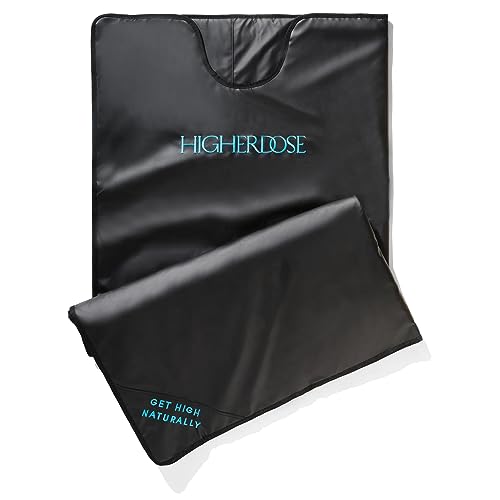
- Home Infrared Sauna, Anywhere – This portable infrared sauna blanket brings the full-body benefits of a traditional infrared sauna…
- Crystal-Infused for Mind-Body Balance – This sauna blanket is lined with amethyst, tourmaline, charcoal, and clay emitting negativ…
- Low EMF, High Standards – Unlike typical infrared sauna wraps, our low-EMF blanket is engineered with minimal electromagnetic and …

- Enhanced 500ft remote range: Wireless meat thermometer adopts the most advanced wireless technology to provide the strongest, and …
- Dual probe for food and BBQ: Meat thermometer oven safe with highly accurate stainless steel meat probe and oven/ grill/ smoker te…
- Food temp & HI/LOW ambient temp alarm: Digital grill thermometer allows you to quickly and easily set your own cooking temperature…
Related Reading
- The Recovery Stack for Beginners: Sauna + Cold + Red Light Under $1,500
- Best Home Infrared Saunas Under $3,000
- Best Cold Plunge Tubs Under $2,000
Who should skip contrast therapy
Contrast therapy is not for everyone. Talk to your doctor before starting if you have a heart condition, high or low blood pressure, a history of heart problems, stroke, fainting or blood clots, circulation problems, diabetes or nerve problems that reduce how well you feel heat and cold, or if you take medications that affect heart rate, blood pressure or how your body handles heat. Moving between strong heat and cold is a real stress on the heart and blood vessels, not just a discomfort to push through, and both halves carry risk. If you are pregnant, ask your doctor before using a sauna, sauna blanket or cold plunge. People with Raynaud’s phenomenon, cold sensitivity or cold urticaria should be especially cautious with the cold half, and anyone with asthma or another breathing condition should ask their doctor first, because sudden cold can trigger gasping and breathlessness. Children should only use a sauna or cold plunge with a doctor’s OK and close adult supervision.
Building it into a weekly routine
There is no set number of sessions you need. If your doctor has said it is fine for you, a gentle way to begin is with short, comfortable sauna sessions on their own for a while. When you are ready, add a brief cool shower or a very short cold exposure at the end, and lengthen things only gradually and within your equipment manuals’ limits. Going too long or too cold too soon makes early sessions unpleasant and raises the risk of feeling faint or unwell, so build up slowly and stop any session that does not feel right.
Common mistakes people make with contrast therapy
- Going straight from sauna to plunge with no transition. Standing up quickly after heat can make you lightheaded. Sit for a moment, stand up slowly, and step into cold water gradually rather than jumping in.
- Timing the cold plunge by feel instead of a timer. Cold can make it hard to judge how long you have been in. Use a timer, and keep sessions within what your doctor and your equipment manuals advise.
- Treating more rounds as always better. Each hot-cold transition is another stress on your heart and blood vessels. Longer sessions or extra rounds are not a goal in themselves; stop when you have had enough.
- Skipping water between rounds. Sauna heat makes you sweat, and several rounds without drinking can leave you dehydrated and lightheaded. Drink water during rest periods, and get out if you feel dizzy.
FAQ
Q: Is contrast therapy better than sauna or cold plunge alone?
There is no clear answer. Research on heat and cold exposure is still developing, and results for combining the two are mixed. Some people simply prefer the alternation; others prefer one or the other. Choose what you enjoy and what your doctor says is safe for you.
Q: How soon after a workout should I do contrast therapy?
If you follow a structured training program, ask your coach or a sports medicine professional about timing. Either way, rest, cool down and rehydrate after a workout before getting into strong heat or cold.
Q: Can I do contrast therapy every day?
That depends on your health and your doctor’s advice. There is no need to do it every day, and many people prefer a few sessions a week.
Q: What temperature should the cold plunge actually be?
There is no single right temperature. Follow your cold plunge’s manual and your doctor’s advice, and remember that colder is not better: the water should feel manageable, with controlled breathing, never the coldest water you can stand. A thermometer helps you keep the temperature consistent from session to session.
Q: Do I need a chiller for the cold plunge, or is ice enough?
An insulated tub with bagged ice can work for occasional use. If you plunge often, a chiller saves hauling ice and keeps the water temperature more consistent. Plug any chiller into a GFCI-protected outlet, set it up according to its manual, and keep cords away from the water.
Combining contrast therapy with other recovery tools
Some people also use other wellness tools such as red light panels, compression boots or massage guns on their sauna days. These are separate routines with their own manuals and safety instructions, and this article does not claim that combining them adds any health benefit. If you use a massage gun, keep it off your head, neck, spine, bony areas and any injury. If you use compression boots, ask your doctor first if you have circulation problems or a history of blood clots. After a contrast session, give your body time to return to a normal temperature before adding anything else.
Q: Should beginners start with sauna or cold plunge first?
Many people find the sauna easier to start with, because it is gentler to get used to than cold water. Starting with short, comfortable sauna sessions and adding cold gradually, once your doctor has said it is fine, is a common approach.
Q: How do I know if I’m doing contrast therapy “right”?
There is no single correct way. What matters most is staying within what is comfortable and safe for you: follow your doctor’s advice and your equipment manuals, keep sessions moderate, never plunge alone, and stop at the first sign of dizziness, chest discomfort or trouble breathing.
Shop the Amazon Storefront
Every product we recommend for your home recovery setup – saunas, cold plunges, red light, and more – curated in one Amazon Storefront.
Try Audible free for 30 days – great for meditation, sleep, and recovery-focused audiobooks
As an Amazon Associate and Amazon Influencer, we earn from qualifying purchases at no extra cost to you.


Leave a Reply