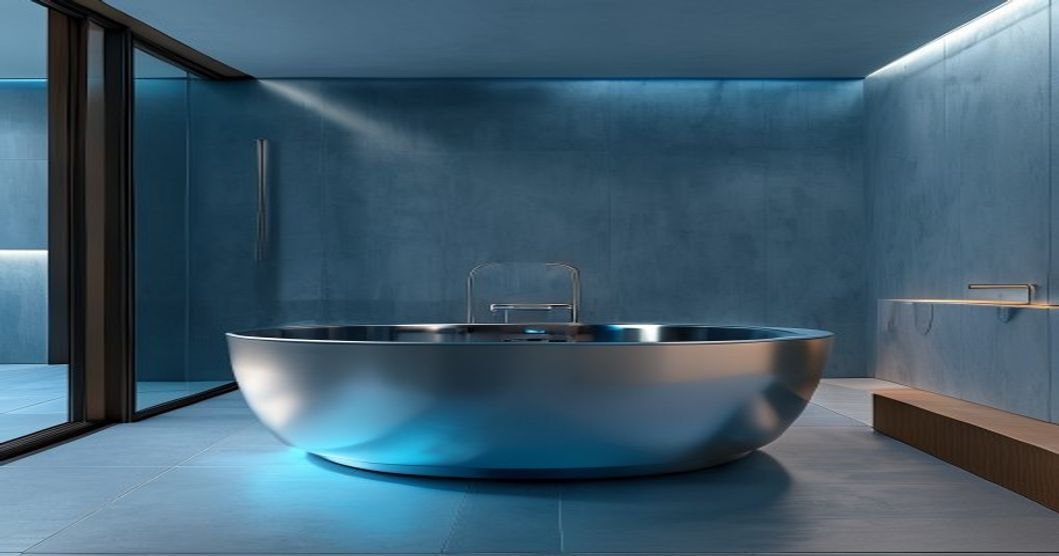
Cold plunge tubs went from a niche recovery tool to a mainstream wellness product in 2024-2025, and 2026 is when the price war really started. You can now buy a functional home cold plunge for under $2,000 – which was unthinkable when Plunge, the market leader, launched at $5,000+.
This guide covers the actual under-$2,000 options that work, what they compromise on to hit that price point, and what you get when you spend $1,500 versus $3,000+.
This guide stays focused specifically on the sub-$2,000 tier. If your budget is more flexible, our broader cold plunge tub guide covers the full range, from budget tubs through premium all-in-one systems above $3,000.
Curated Cold Plunge Kit on Amazon
All our cold plunge picks – tub, chiller, water treatment, thermometer, and exit safety – collected in a single Amazon Idea List. Everything you need for a proper home cold plunge practice.
What “cold plunge” actually means at each price tier
Under $500 – inflatable tubs with no chiller. You add ice manually every session. High friction, low fun. Best for “just testing if you like cold” before spending real money.
$500-$1,200 – insulated barrels or plastic tubs, still no chiller. Better insulation means ice lasts longer. Ice Barrel and similar sit here.
$1,500-$2,500 – the sweet spot for entry-level chiller-equipped units. Turn on the chiller, water stays at 39-50F, no ice hauling. This is where most first-time real buyers land in 2026.
$3,000-$8,000 – Plunge, BlueCube, Renu Therapy tier. Better chillers, better insulation, wooden aesthetics, faster cooldown times.
What to check before you buy
- Water temperature range – 39-55F is the useful range. Sub-39 gets dangerous. Above 55 gives limited benefit.
- Chiller wattage vs recovery time – a 1/3 HP chiller takes 2-4 hours to bring warm water back to plunge temp. 1 HP does it in 45-60 minutes.
- Filter type – 20-micron sediment filter is basic. UV sanitization is a nice-to-have. Ozone is best.
- Insulation R-value – the difference between water staying cold overnight vs your chiller running constantly.
- Warranty on the chiller – this is the part that fails. 2-year chiller warranty is the minimum you should accept.
- Winter freeze protection – if you plan outdoor install in Canada or northern US, verify the chiller has a freeze-protection cycle.
Our picks: Cold plunges under $2,000
Best Under $1,000 – No Chiller (Ice Barrel Style)
The Ice Barrel is the well-known name here at ~$1,200 but the pattern is: insulated barrel, cover, drain plug. You add ice. If you commit to the ice-hauling routine, this is the cheapest path to a real plunge experience.
Best Under $1,500 – Entry Chiller Setup
The first tier where the chiller does the work. Compact stainless or insulated plastic tub with a 1/3 HP chiller. Slower cooldown but zero ice hauling. Perfect for indoor basement install.
Best Under $2,000 – Full-Featured Chiller Unit
Larger tub (fits a 6-foot adult with knees bent), 1/2 HP chiller (60-90 min recovery), better filtration, ozone sanitization. This is where you start getting the ‘real Plunge experience’ at half the Plunge price.
Best Portable / Foldable Option
Foldable inflatable tubs at -500 are legit for testing the concept. Ice hauling required. Storage-friendly for apartments or renters. Not a long-term daily solution but a solid on-ramp.
Best Budget Chiller (Standalone)
If you already have a tub or want to convert a stock tank, standalone water chillers in the 1/3 to 1/2 HP range are -1,200. Retrofit approach. Cheaper than integrated units but requires plumbing.
Best Cover for Any Plunge
A good insulated cover cuts your chiller runtime in half and keeps debris out. The most-underrated accessory in cold plunge. Should be your first add-on regardless of which tub you buy.
What we did NOT include and why
Plunge, BlueCube, Renu Therapy: excellent products but all $3,000+. Covered in our broader cold plunge buying guide, which spans budget tubs through premium all-in-one systems.
Outdoor stock tanks + chiller hacks: the DIY approach works but is not what most buyers want. If that appeals, see our DIY cold plunge conversion guide (coming soon).
The honest bottom line
For most first-time buyers, an entry-tier chiller-equipped tub in the $1,500-$1,800 range is the pragmatic choice. Better than manual ice, cheaper than the premium tier, and you actually use it every day when the chiller does the work.
If you are budget-capped at -800, the Ice Barrel or similar is a legitimate on-ramp. Plan the ice-hauling routine before you buy – most people abandon it within 3-4 weeks.
Whatever you buy, get the insulated cover and plan the electrical. A chiller draws 450-800W continuous during recovery – budget for the outlet and the electric bill.
Common mistakes first-time buyers make
- Buying no-chiller to save money, then adding a chiller within a year anyway. If your budget allows for a chiller-equipped unit from the start, it’s usually cheaper in total than buying a no-chiller tub now and a standalone chiller later once the ice routine gets old.
- Undersizing for how the tub will actually be used. A tub bought for solo use often becomes a shared household item within months. If there’s any chance a partner or roommate will use it regularly, size up from the bare minimum.
- Skipping the insulated cover to stay under budget. As noted above, a cover cuts chiller runtime significantly and keeps debris out between sessions. Cutting it to save $50-100 upfront usually costs more in electricity and water changes over the first year.
- Not checking outdoor rating before an outdoor install. A chiller rated for indoor use only will have a shorter lifespan facing outdoor temperature swings and moisture. Confirm the rating before you commit to a placement.
Basic maintenance and care
Every tub in this price range needs a real maintenance routine, not just fill-and-forget. Test water weekly (free chlorine, pH, alkalinity – $10 test strips), rinse or replace the filter every 4-6 weeks, and plan a full drain and refill every 2-4 months without ozone, stretching to 4-6 months with it. Chillers need 10 inches of clearance on all sides and a twice-yearly check of the coil fins for dust buildup. For the complete week-by-week routine across every tier – including troubleshooting cloudy water and biofilm – see our full maintenance guide.
FAQ
Q: Is an under-$2,000 tub actually comparable to a $5,000 Plunge or BlueCube?
Not identical, but closer than the price gap suggests. You’re mainly giving up faster chiller recovery times, more premium insulation and aesthetics, and sometimes app-based controls. The core function – consistent cold water on demand – is there at this tier too.
Q: How much does it cost to run one of these tubs monthly?
Electricity for the chiller typically runs $10-30/month depending on insulation, ambient temperature, and how many hours a day it’s actively cooling. Water treatment adds another $5-15/month. A well-insulated tub with a good cover sits at the low end of both ranges.
Q: Can I install one of these tubs indoors?
Yes, as long as the chiller is rated for indoor use and you have drainage access or a plan for hauling water out during full changes. Basements and garages are the most common indoor placements at this price tier.
Q: What’s the realistic lifespan of a $1,500-$2,000 tub?
The tub shell itself commonly lasts a decade or more with basic care. The chiller is the component most likely to need attention – budget for it to need service or replacement somewhere in years 3-7, which is why a strong chiller warranty matters more than most buyers initially weigh it.
Q: Do I need a permit or electrician for the chiller?
No permit for a standard plug-in chiller on a household circuit. If you’re unsure whether your panel can handle the additional continuous draw, a quick check with an electrician is worth the peace of mind before delivery day.
What changes if you go slightly over $2,000
The jump from $1,800 to $2,200-$2,500 is where you typically pick up a faster chiller (moving from 1/3 HP to 1/2 HP, cutting recovery time roughly in half), better filtration, and sometimes ozone as standard rather than an add-on. It’s worth knowing this threshold exists even if you’re shopping strictly under $2,000, because it explains why two tubs that look similar on the surface can be priced a few hundred dollars apart – the difference is usually the chiller spec, not the tub shell itself.
Q: Is it worth waiting for a sale to get a better-spec tub under $2,000?
Often yes. Cold plunge tubs see meaningful discounting around major shopping events, and a unit that’s normally $2,200 can land under $2,000 during a sale without any compromise on spec. If your purchase isn’t urgent, checking pricing around those windows is worth the wait.
Q: How much floor space does a tub in this range actually need, beyond the tub’s footprint?
Plan for roughly 18-24 inches of clearance on at least one side for the chiller unit and its required airflow clearance, plus enough room to comfortably step in and out without the exit mat overlapping a doorway or walkway.
Shop the Amazon Storefront
Every product we recommend for your home recovery setup – saunas, cold plunges, red light, and more – curated in one Amazon Storefront.
Try Audible free for 30 days – great for meditation, sleep, and recovery-focused audiobooks
As an Amazon Associate and Amazon Influencer, we earn from qualifying purchases at no extra cost to you.
Leave a Reply