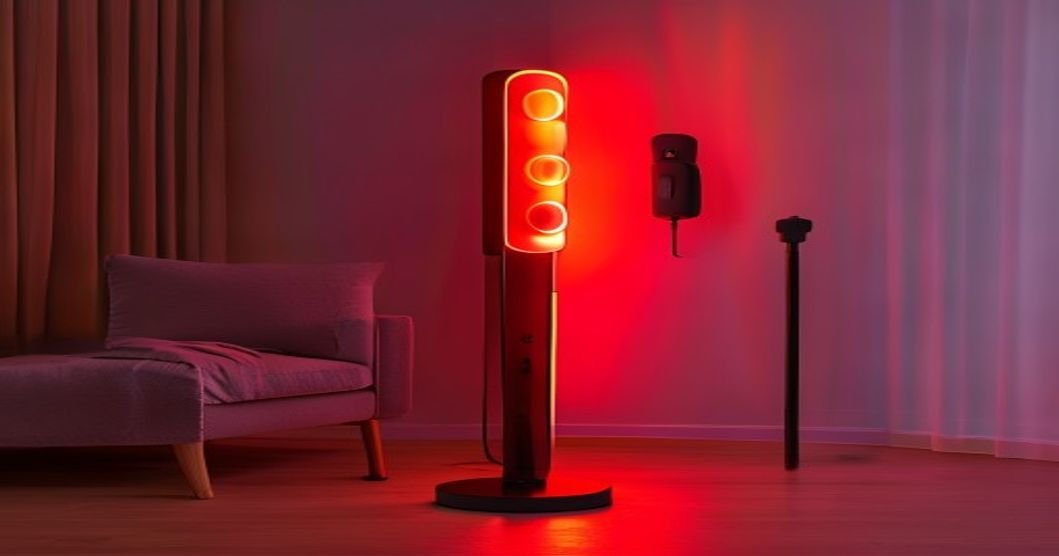
Red light therapy went from clinic-only to home-market in 2020, and the past three years have been a mess of over-marketed panels making questionable health claims. Most sub-$200 Amazon panels are below typical therapeutic thresholds. Most $2,000+ panels are wildly overpriced for what they deliver. The useful buying zone is in between – and most buyers do not know how to find it.
This guide covers what red light therapy panels actually do (per the peer-reviewed research), what specs matter, and which panels deliver useful therapeutic doses at real home prices.
What red light therapy is actually good for
The research supports red light therapy (RLT) – typically 630-670nm red plus 810-850nm near-infrared – for a few specific outcomes:
- Skin – collagen production, wound healing, some acne. Best-supported use case.
- Muscle recovery – modest improvement in soreness and recovery time after intense exercise.
- Circadian rhythm – morning red light exposure can help reset sleep-wake cycles.
- Joint pain – short-term relief for some inflammatory conditions.
Claims that RLT causes fat loss, hair growth (beyond a small subset of male-pattern baldness cases), or thyroid modulation are much less well-supported.
What specs actually matter
- Wavelength – you want 630nm and 660nm red, 810nm and 850nm near-infrared. Panels that only emit one wavelength are limited-use.
- Irradiance (mW/cm2) – this is the “power density” measured at a specific distance. 100 mW/cm2 at 6 inches is a useful therapeutic dose. Under 30 mW/cm2 is below typical therapeutic recommendations.
- Coverage area – the physical size of the light-emitting area. Larger = fewer treatment positions needed.
- EMF rating – most panels emit minor EMF from the drivers. Look for panels with 0 mG at 6 inches.
- Third-party testing – reputable brands publish independent test data. Panels without published test data – avoid.
Our picks: Red light therapy panels that deliver
Best Full-Body Panel (Premium)
Full-body panels are 4-5 feet tall and treat your whole body in one session. Look for panels with 300+ LED diodes at both 660nm and 850nm wavelengths. This tier delivers real therapeutic doses (100+ mW/cm2 at 6 inches).
Best Mid-Size Panel (Torso Coverage)
Mid-size panels cover your torso in one session, upper vs lower body separately. Good balance between price and coverage. Wall-mountable or on a stand. This is where most serious home users land.
Best Compact / Face Panel
Handheld or desk-mounted units for face and localized use. Best for someone whose primary interest is skin – collagen, acne, wound healing on a specific spot. Not enough coverage for whole-body recovery use.
Best Red Light Mask (Skincare Focus)
Wearable red light masks are the fastest-growing sub-category. If your goal is purely skin health rather than muscle recovery, a mask is a better fit than a panel. Look for masks with both 630nm and 830nm wavelengths.
Best Combo (Red + Near-IR + Additional)
Some newer panels add blue light (455nm for acne) or yellow light (590nm for skin tone) alongside the standard red and near-IR. Useful if you want a multi-modality skincare device without buying three separate units.
Best Stand or Mount (Add-On)
A good adjustable stand transforms a wall-mountable panel into a versatile daily tool. Most panels do not include stands. This is the accessory that determines whether you actually use the panel or leave it sitting in the corner.
What we did NOT include and why
< Amazon panels: most publish inflated irradiance numbers. Independent testing consistently shows real output 30-70% below marketing claims. We recommend spending a bit more for tested units.
Salon-grade beds: ,000+ commercial units. Out of scope for home use.
Red light + PBM helmets for hair growth: different product category. Coverage in a future article.
The honest bottom line
For most home users, a mid-size dual-wavelength panel in the – range is the pragmatic choice. Enough coverage to treat torso in reasonable time, real therapeutic irradiance, and price that matches actual documented benefits.
If your primary use is skincare, a good red light mask at -400 delivers more per-dollar value than a panel.
If you are recovering from serious training or chronic pain and can afford it, a full-body panel at $1,500-$2,500 saves time – you treat your entire body in 10 minutes instead of moving a smaller panel around for 40 minutes.
Shop the Amazon Storefront
Every product we recommend for your home recovery setup – saunas, cold plunges, red light, and more – curated in one Amazon Storefront.
Try Audible free for 30 days – great for meditation, sleep, and recovery-focused audiobooks
As an Amazon Associate and Amazon Influencer, we earn from qualifying purchases at no extra cost to you.
Leave a Reply