
Disclosure: As an Amazon Associate, HotColdRecovery earns from qualifying purchases at no extra cost to you. This site is research/synthesis-based, not hands-on tested.
Red light therapy comes in two very different product categories: handheld wands and masks (compact, targeted) and full panels (large, whole-body). Both use similar wavelengths (typically 660nm red and 850nm near-infrared), but they suit very different jobs. Buying the wrong category for what you plan to use it on is an easy mistake to make.
The core question: what are you using it for?
Face, neck or one small spot (a cheek, an elbow, a knee): Handheld or mask. These put the light close to a small area for short sessions, at the time the manufacturer specifies. A full panel is overkill and awkward.
Large areas (back, legs, whole torso or full body): Full panel. You need meaningful surface-area coverage. A handheld wand covers only a few square inches at a time, so using one on a whole torso becomes a long, piecemeal session.
Irradiance actually matters
Irradiance (measured in mW/cm² at a specific distance) is the amount of red-light energy reaching a square centimeter of skin per second. It varies widely between devices, and a figure in a product listing means little without the distance it was measured at – compare devices at the same stated distance. For example, the Bestqool Pro300 listing states irradiance above 106mW/cm² at a 3-inch distance. Brands that publish third-party irradiance measurements make that comparison easier.
Common handheld use cases
- Face and neck: Short sessions per area at the frequency the manufacturer recommends (the Solawave listing, for example, specifies 3 minutes per area). Masks and wands both suit this.
- A single knee or shoulder: A handheld held over the one area is more practical than standing at a full panel. Follow the device’s own session time.
- One specific area on the body (back, elbow): A handheld, or a smaller panel such as the Mito Red Light MitoMIN 2.0, which concentrates 660nm red and 850nm near-infrared light from a 12″ x 9″ head at close range.
Common full-panel use cases
- Full-body sessions: Standing at the manual’s recommended distance (often 6-12 inches) from a full-body panel (roughly 3ft x 1ft or larger), for the session time the manufacturer specifies.
- Session timing: Some people fit sessions into the morning and others into the evening; when you use a panel is a personal-schedule choice. Panels are bright, so evening users often choose a lower-intensity setting where a model offers one.
- Large areas such as the back or whole torso: A panel covers these more easily than any handheld.
What to skip
The mid-priced “hybrid” handhelds aim to cover both face and body, which means balancing two different jobs in one device. If coverage at each size matters most to you, consider pairing a dedicated face mask with a small panel instead of putting the same budget into a single dual-purpose unit.
Also: for bulbs sold as red light devices, check whether the seller publishes irradiance and wavelength data; without it you have no way to compare them. Favour devices with published third-party irradiance measurements.
Recommended Picks (Amazon US)
- Solawave 4-in-1 Red Light Therapy Wand for Face & Neck (Rose Gold)
- LightStim for Acne LED Red Light Therapy Handheld Device
- Shark CryoGlow LED Face Mask, Lilac (Wearable)
- Rhmip 45W LED Red Light Panel (660nm + 850nm)
- Mito Red Light MitoMIN 2.0 Red Light Panel (Compact Panel)
- Bestqool Pro300 Full-Body Red Light Therapy Panel

- FOUR TECHNOLOGIES, ONE SESSION: Red Light, Galvanic Current, Therapeutic Warmth & Facial Massage smooth, depuff & rejuvenate skin.
- FDA-CLEARED, VISIBLY FIRMER SKIN: Red light (630nm) helps reduce the look of fine lines & wrinkles over time.
- HYDRATED, REFRESHED LOOK: Galvanic Current supports a hydrated, refreshed look and boosts absorption of your Activating Serum.
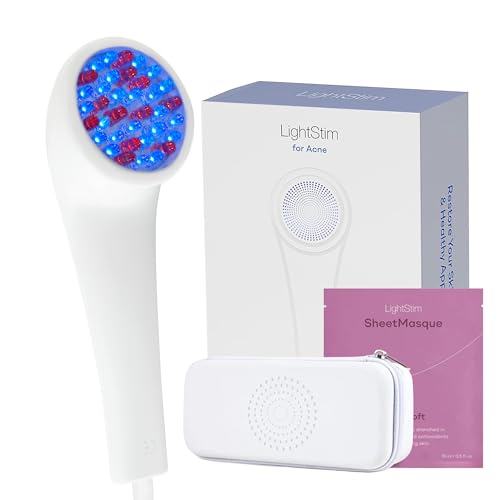
- Advanced LED Acne Treatment at Home: FDA-cleared LightStim for Acne combines blue light therapy to target acne-causing bacteria an…
- Professional Strength, Trusted Results: Recommended by dermatologists and estheticians for over 20 years, this non-invasive, maint…
- Durable, Easy-to-Use Design: Manufactured in the USA with no cartridge or battery replacements needed, LightStim for Acne fits sea…

- RED LIGHT THERAPY MASK: CryoGlow is an at-home LED face mask combining red, blue & deep infrared light with under-eye cooling to t…
- MOST AWARDED LED MASK IN THE U.S.*: Real people. Real results. Clinically tested on 119 participants by an independent third party…
- EXPERTLY DEVELOPED: Developed by Shark Beauty alongside optical light experts and engineers, bringing MedSpa-inspired red light th…
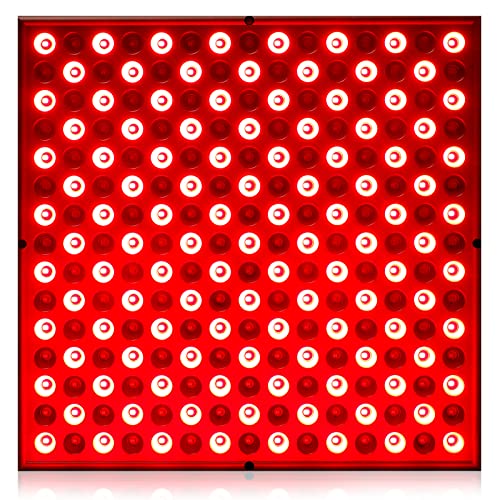
- Scientific research has shown that led red light therapy panels with a 660nm deep red wavelength and a 850nm near-infrared wavelen…
- Improve skin:The 660nm deep red light can stimulate cell repair and deep skin beauty care, while the 850nm near-infrared light pen…
- Red light led therapy Unlike traditional painkillers, over-the-counter products or other expensive therapies, our red light device…

- The Mito Red Difference: Founded in 2018 in Scottsdale, Arizona, Mito Red Light has served 125,000+ customers across 30+ countries…
- Red Light Therapy Benefits: Use the power of red and near infrared light to support a range of wellness and recovery benefits; hel…
- Premium Features: Red light therapy panel features 60 high-powered LED diodes, digital control panel with timer, and whisper-quiet…

- More Wavelengths Better Experience: The unique Pro300 red light panel is equipped with four wavelengths. 630nm & 660nm are both no…
- Modular Design for Multi-devices: One of the primary advantages of Pro300 as modular red light therapy at home is unlocking more m…
- Unleash The Full Force: Discover the extraordinary potential of high irradiance for remarkable results. With exceptional irradianc…
Related Reading
- The Recovery Stack for Beginners: Sauna + Cold + Red Light Under $1,500
- Best Home Infrared Saunas Under $3,000
- Best Cold Plunge Tubs Under $2,000
What to check before you buy
- Wavelength, not just “red light.” Most panels list both 660nm (visible red) and 850nm (near-infrared, invisible to the eye). A device offering only one wavelength is not wrong, just narrower – know what you plan to use it for before you buy single-wavelength.
- Irradiance at a stated distance, not irradiance alone. As covered above, the number on the box means nothing without knowing the distance it was measured at. Third-party or independently verified irradiance data is worth more than a brand’s own marketing spec.
- EMF and flicker. Some panels use PWM dimming that flickers too fast for the naked eye but often shows up through a phone camera (point your phone camera at the panel and look for flicker in the video feed). If flicker or EMF output matters to you, look for a brand that publishes measurements; it matters more for daily, close-range use than occasional sessions.
- Eye safety. Panels and masks are bright, and near-infrared light is invisible, so your eyes do not get the usual cue to look away. Never stare into the LEDs; use the eyewear the manufacturer specifies (check whether it is included or sold separately) and follow the mask’s own eye-use instructions. Ask your doctor first if you have an eye condition.
- Warranty and LED lifespan. LEDs degrade slowly over thousands of hours rather than failing outright. A 2-3 year warranty is a reasonable minimum on a larger panel; anything less on a premium-priced device is a signal to look elsewhere.
Comparison: the six picks above
| Pick | Category | Best for |
|---|---|---|
| Solawave 4-in-1 Wand for Face & Neck | Handheld | Face and neck routine; the listing pairs 630nm red light with galvanic current, warmth and massage, 3 minutes per area |
| LightStim for Acne | Handheld | Short area-by-area sessions with 36 blue (415nm) and red (630nm) LEDs; the listing states it is FDA-cleared for mild to moderate acne |
| Shark CryoGlow LED Face Mask (Lilac) | Wearable mask | Hands-free full-face sessions; red, blue and deep infrared light plus under-eye cooling, four modes |
| Rhmip 45W LED Panel | Small panel | Entry to the panel category; 660nm red plus 850nm near-infrared, can be hung or placed free-standing |
| Mito Red Light MitoMIN 2.0 | Compact panel | Targeted coverage of face, neck or one body area; 60 LEDs at 660nm/850nm, 12″ x 9″ x 3″, digital timer, independently third-party tested for power and spectral output |
| Bestqool Pro300 | Full panel | Whole-body coverage for regular sessions; 300 dual-chip LEDs, 470W, four wavelengths from 630-940nm, modular design |
Common mistakes first-time buyers make
- Buying a panel for a job a handheld does better. A large full panel is no better suited to one small spot on your face or a single elbow than a handheld held directly over the area – it just lights a lot of room air you did not need lit.
- Session distance drift. Irradiance falls as you move away from the LEDs, so standing 18 inches from a panel whose figures are quoted at 6 inches means far less light than the listing describes. Follow the manual’s distance guidance.
- Overdoing session length. Longer or more frequent sessions than the manual specifies are not a shortcut. Stick to the manufacturer’s session times and stop if you notice skin irritation, excess warmth or eye discomfort.
- Skipping eye protection. Standing in front of a full panel for a whole session with eyes open is a lot of bright light – use the eyewear. For wands and masks used near the face, follow the manufacturer’s eye-safety guidance rather than assuming none is needed.
Safety before you start
- Doctor first if you are pregnant, have a medical condition, or take medication. Some medications and conditions make skin more sensitive to light (photosensitivity), and those are worth checking before any light device.
- Do not use a device over cancerous or suspicious skin lesions, changing moles, or broken skin. Get any skin change looked at by a doctor rather than using a device on it.
- Protect your eyes. Never look directly into the LEDs and use the eyewear the manufacturer specifies.
- Electrical-current features have their own warnings. Wands that add galvanic current or microcurrent (the Solawave listing includes galvanic current) carry separate contraindications, often including implanted electronic devices such as pacemakers. Read the manual’s warnings before first use.
- Follow the manual’s session times and distances, stop if a device feels hot on your skin, and keep devices away from children.
Maintenance and care
Wipe the lens surface with a dry or barely damp microfiber cloth – avoid alcohol-based cleaners on handheld wands and masks, which can degrade the plastic housing and lens coating over time. Keep panels away from high-humidity rooms unless the manufacturer specifically rates them for bathroom use; condensation on internal electronics can shorten a panel’s life. Unplug any corded device before cleaning and keep it away from water. For battery-powered handhelds, the same partial-charge-cycle rule that extends any lithium battery’s life applies – avoid letting it sit fully drained for extended periods. Store masks and wands in their case rather than a drawer with other items; the LED arrays are more fragile than the plastic housing suggests.
FAQ
Q: How long is a typical session?
It depends on the device, so follow the manufacturer’s session time and frequency. Wand and mask listings often specify a few minutes per area (the Solawave listing says 3 minutes per area; the LightStim listing says to move the light after 3 minutes), while full panels usually set out standing distance and session length in the manual.
Q: Is red light therapy safe for daily use?
Follow the manufacturer’s recommended distances, session times and frequency for your specific device, and talk to your doctor first if you are pregnant, have a medical condition or take medication that can increase light sensitivity. Don’t use a device over cancerous or suspicious lesions. See the safety section above.
Q: Do I need to wear eye protection?
Follow the manufacturer’s eye guidance for every device. For full panels, use the included or recommended eyewear and don’t look into the LEDs. Masks sit right over the eyes, so follow the mask’s own instructions, and ask your doctor first if you have an eye condition or take light-sensitizing medication.
Q: Can red light therapy replace sunlight or vitamin D?
No. Red and near-infrared light do not produce vitamin D the way UVB from sunlight does. Red light devices are a separate category, not a sunlight substitute.
Q: Why do some handhelds feel warm and others don’t?
Higher-powered handhelds generate more heat as a byproduct of higher LED output, and some wands (the Solawave, for example) add a deliberate warmth feature. Warmth is not a sign that a device is doing more. Stop a session if any device feels hot on your skin.
Q: Does a more expensive panel always give you more?
Not necessarily. Higher prices often buy larger surface area, more wavelengths, build quality, third-party testing or app features. Compare irradiance at the same stated distance, wavelengths and coverage area rather than assuming price tracks output.
Sample routines: targeted vs whole-body
A targeted routine using a handheld wand or mask typically runs a few minutes per area, at the time, frequency and distance the manufacturer recommends (often direct skin contact for wands, snug fit for masks). It’s short, consistent and a low time investment.
A whole-body panel routine runs longer per session (10-20 minutes) but less frequently for most users (3-4 times a week rather than daily), standing at the panel’s rated distance, usually 6-12 inches depending on the model. Some users split panel sessions into a front-and-back rotation within the same session to cover more surface area without needing a larger, more expensive panel. When you schedule sessions is a personal-routine choice; the manufacturer’s session limits apply either way.
Shop the Amazon Storefront
Every product we recommend for your home recovery setup – saunas, cold plunges, red light, and more – curated in one Amazon Storefront.
Try Audible free for 30 days – great for meditation, sleep, and recovery-focused audiobooks
As an Amazon Associate and Amazon Influencer, we earn from qualifying purchases at no extra cost to you.


Leave a Reply